

Yobbo started with a personal problem. My son has Sensory Processing Disorder and ADD — and while sensory fabrics helped him stay calm and focused, the options available weren't designed for real life. Not for school. Not for play. Not for anywhere a kid actually spends their time.
That gap became a mission. We set out to design apparel that feeds sensorial stimulation — promoting calm and focus — not just for those with SPD, ADD, ADHD, or anxiety, but for anyone who benefits from feeling grounded in their own skin. Which, it turns out, is all of us.
The name says it all. Yobbo blends a British backslang term for a boisterous boy with a Korean endearment meaning sweet and darling — opposing forces held in balance, like yin and yang. That tension is the brand. We all carry both. The goal is helping people find the balance between them.
For most people, getting dressed is an afterthought. For those with Sensory Processing Disorder, it can be the hardest part of the day.
Tags that scratch. Seams that dig. Fabrics that feel unbearable against the skin. What neurotypical people barely notice can be genuinely overwhelming for someone with SPD — and the result is often a wardrobe that limits rather than liberates. The hoodie had to solve that first before it could do anything else.
That meant stripping out every irritant — no tags, flat seams, compression-friendly construction — and building from fabrics soft enough that putting it on felt like relief, not resistance. Research supports what SPD families already know: compression and tactile comfort have a measurable calming effect, much like a weighted blanket.
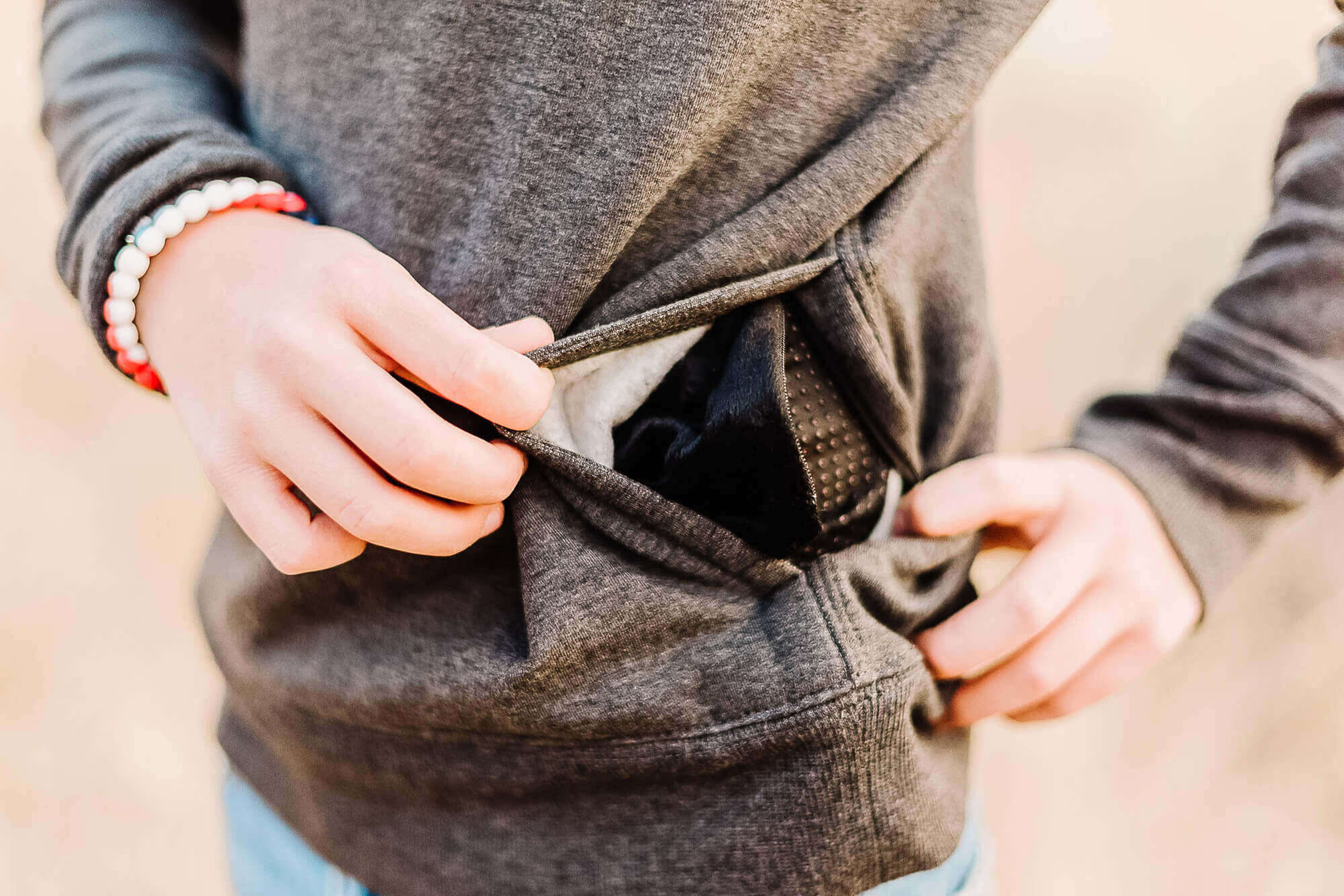
Then came the pocket. Not one zone but two — deliberately different. One soft, one textured. My son was the first test subject, and he'd already shown us the answer — naturally gravitating to minky fabric with a subtle bumpy texture when he needed to calm down or focus. Research confirmed what he was telling us: tactile stimulation helps manage restlessness, improves attention, and gives the nervous system something productive to do.
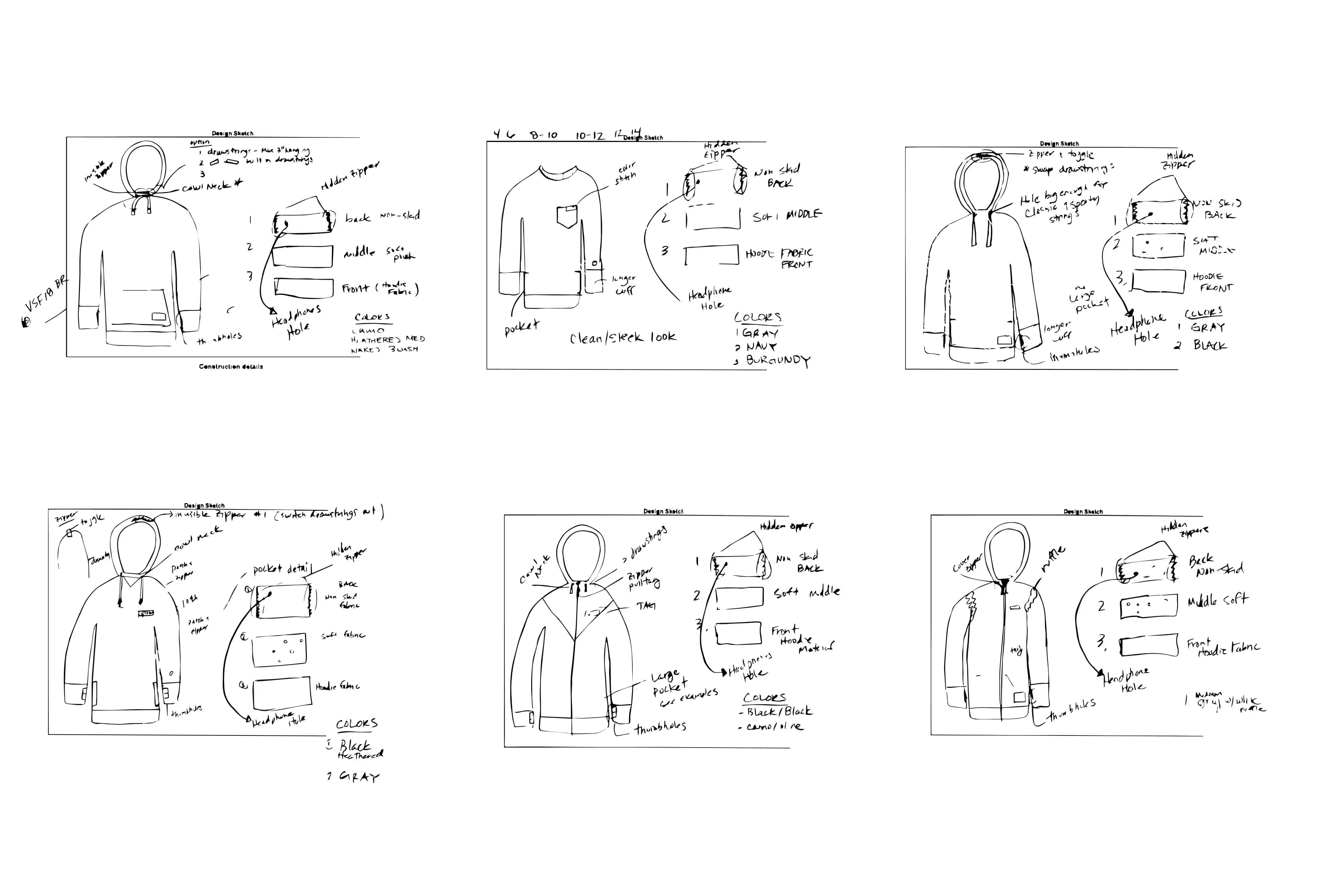
The design process started with sketches to work out placement and proportion. Fabric came from testing, not spec sheets. The goal throughout was a garment that looked like a normal hoodie and functioned like a tool — discreet enough for a classroom, effective enough to matter.

.avif)

.jpg)
.avif)

.jpg)

.avif)


Yobbo didn't start with a business plan. It started with a problem worth solving and the conviction that design could solve it.
Taking a brand from nothing to something is a different kind of design challenge than improving an existing product. Naming it, building its visual identity, designing the product, photographing it, and bringing it to market — all without an existing user base to learn from, brand guidelines to work within, or a safety net.
That process is where I'm most at home. Identifying an unmet need, building the research foundation, moving from sketch to prototype to finished product, and constructing a brand with enough depth and purpose to stand behind. That's the work Yobbo represents.
As a design leader, the ability to operate at that altitude matters. Design organizations don't just ship features. We build brands, shape perception, and create things that didn't exist before. Yobbo was proof, to myself as much as anyone, that I can do that from zero.
