Role
Director of Product Design
Contributors
David Fotherby
Jessie Dent
Service
Android · Embedded Hardware · GlassOS
Overview

Growth exposed the cracks.

Between 2020 and 2023, iFIT's user base grew at a pace the platform wasn't fully built to sustain. Pandemic tailwinds pushed us past a million paid subscribers — many of them first-time fitness adopters — and the numbers looked extraordinary on paper. But underneath the growth, retention was eroding.

New users started strong and dropped off fast. The hardware was selling. The habits weren't forming. At the same time, competition was accelerating — better-funded rivals were closing the gap on both content quality and hardware capability. Winning on content alone was becoming an arms race we couldn't afford to run indefinitely.

The problem wasn't what we were making. It was that we were asking a new behavior to compete with every other demand on a person's day — and we weren't winning that fight often enough.
The opportunity

We stopped competing on content alone. We built a platform.

The honest strategic question wasn't how to make better workouts. It was whether we were leaving value on the table by only offering our own.

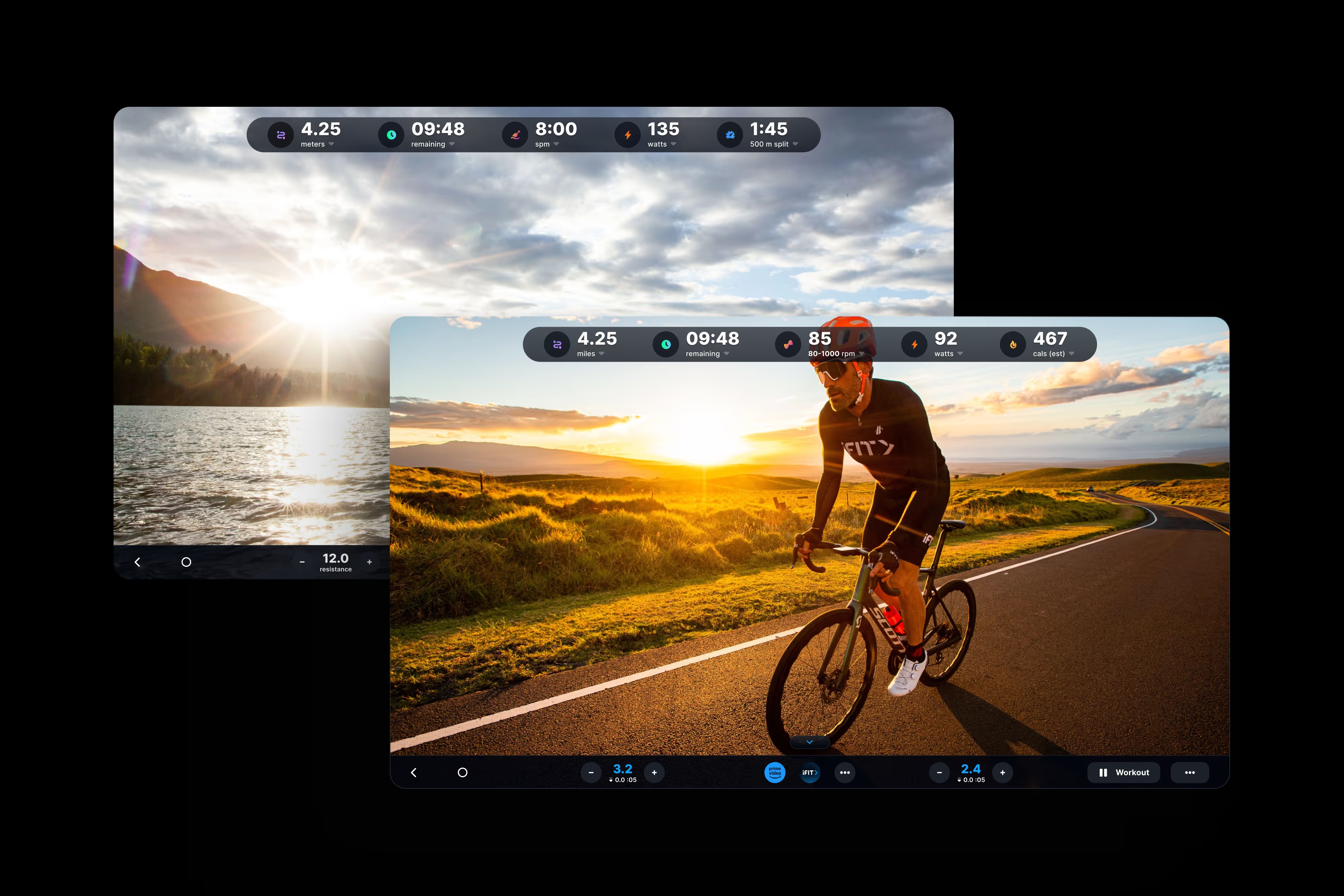
iFIT had built some of the most ambitious fitness content in the world — trainers summiting Everest, rowing on the Kafue River, or traversing the Pyrenees. The content was genuinely exceptional and remained the core of what we offered. But no single content library can be everything to everyone. Gaps existed — gaming, music, entertainment — and competitors weren't filling them either.

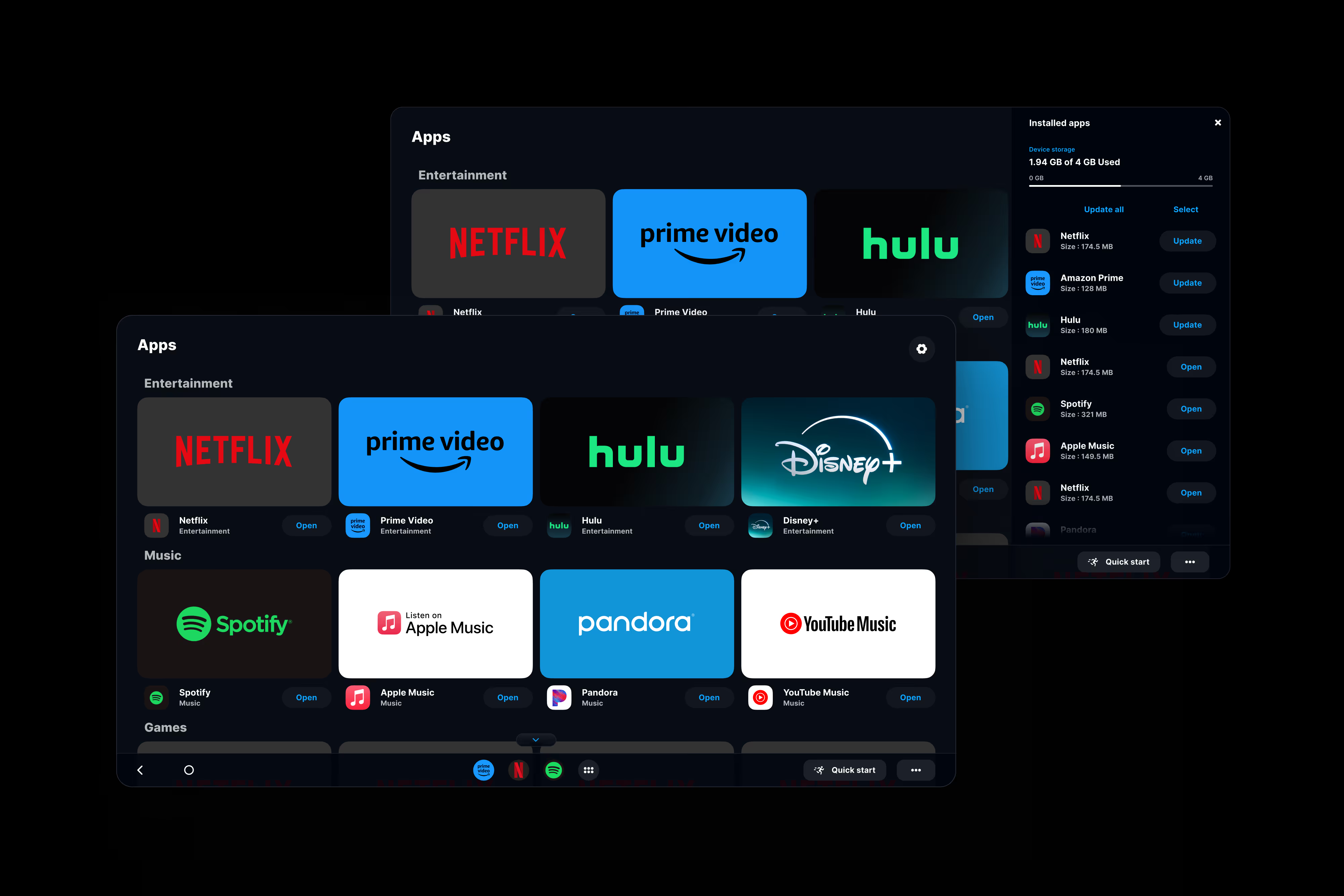
The opportunity was to stop pretending those gaps didn't exist and open the platform to apps that could fill them. Ergatta brought gaming. Spotify solved music rights. Others covered categories we had no intention of building ourselves. Just like how Apple's content lives alongside Netflix and HBO, and the device is better for it.

The purchase objection of "what if I don't like the built-in workouts" disappears. Time on device increases. And the moat shifts from content library to platform ownership — a fundamentally harder thing to replicate.

New hardware in Fall 2024 made it technically possible. The only question left was whether we could execute it without breaking the experience we'd spent years building.
The solution

One experience to hold them all.

The apps were never going to look like ours. Spotify looks like Spotify. Netflix looks like Netflix. That was never the goal and never the problem to solve.

The problem was everything in between.

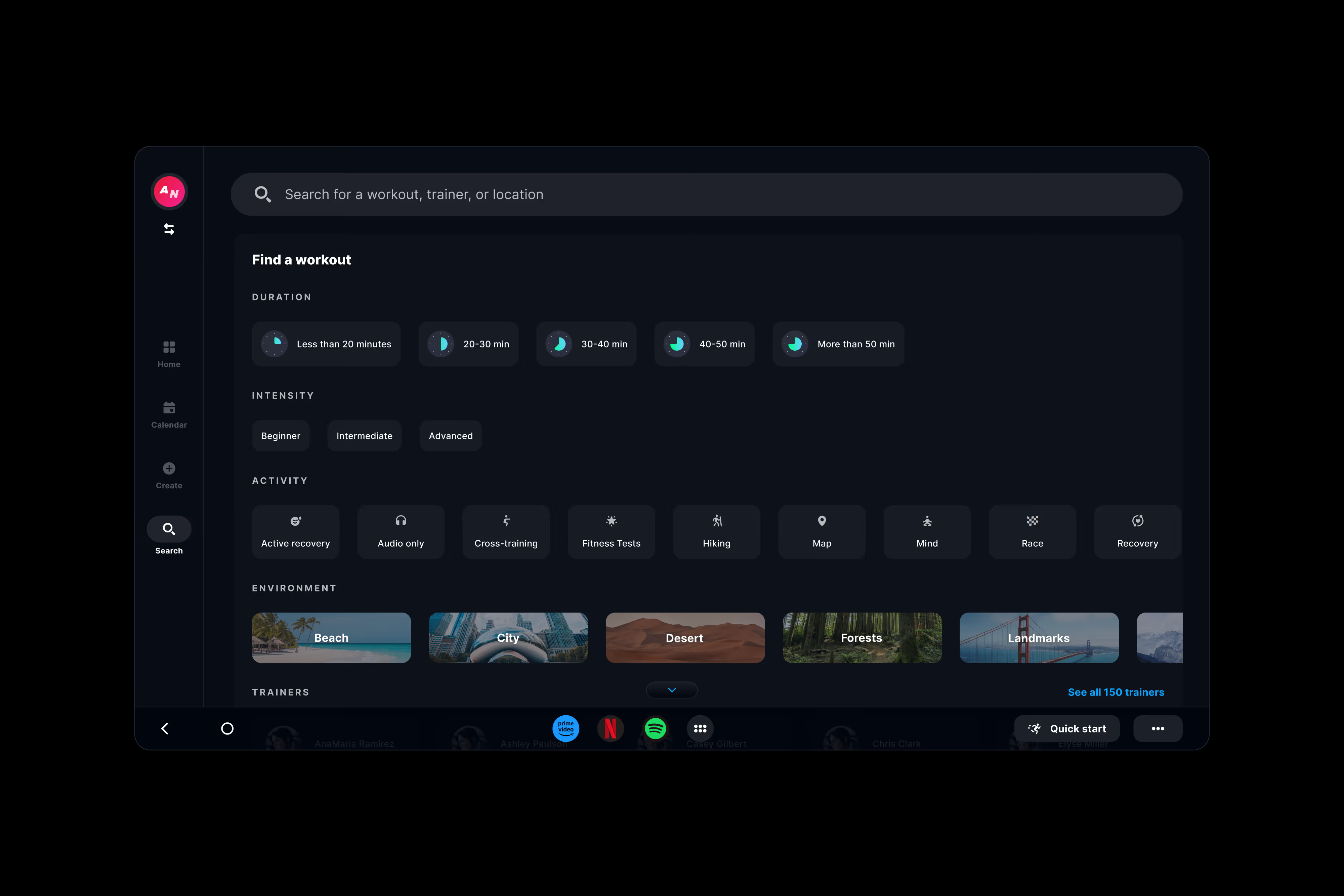
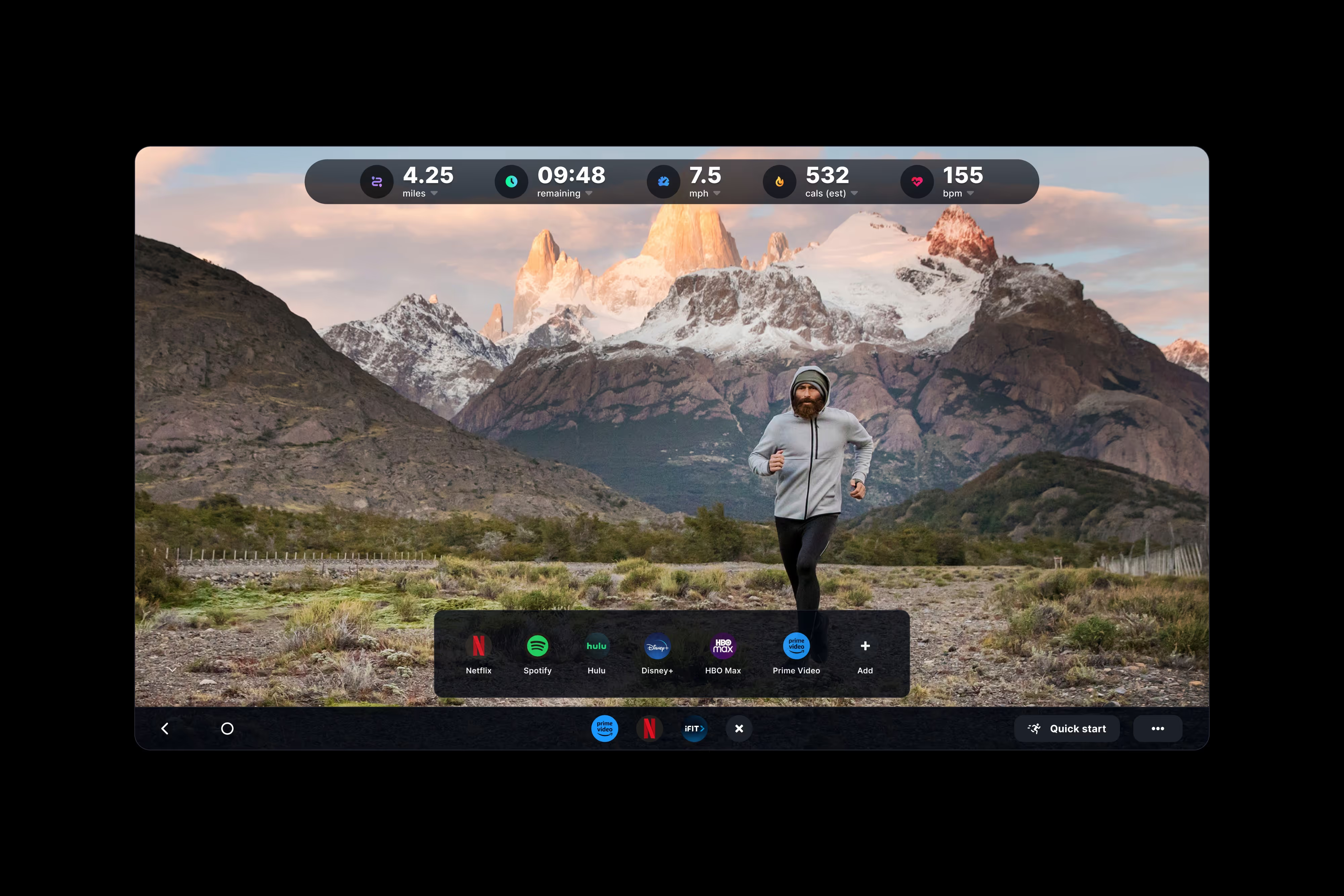
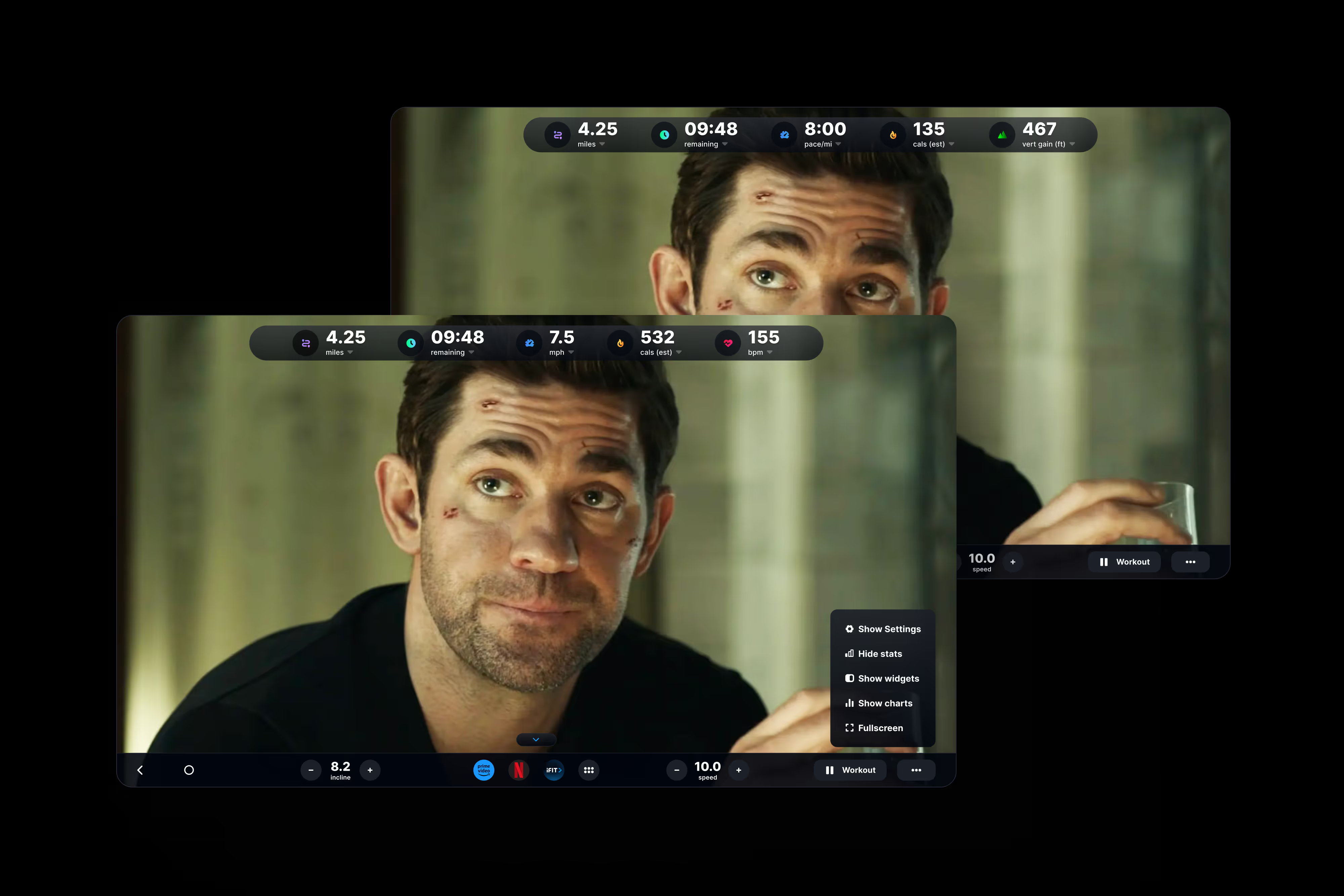
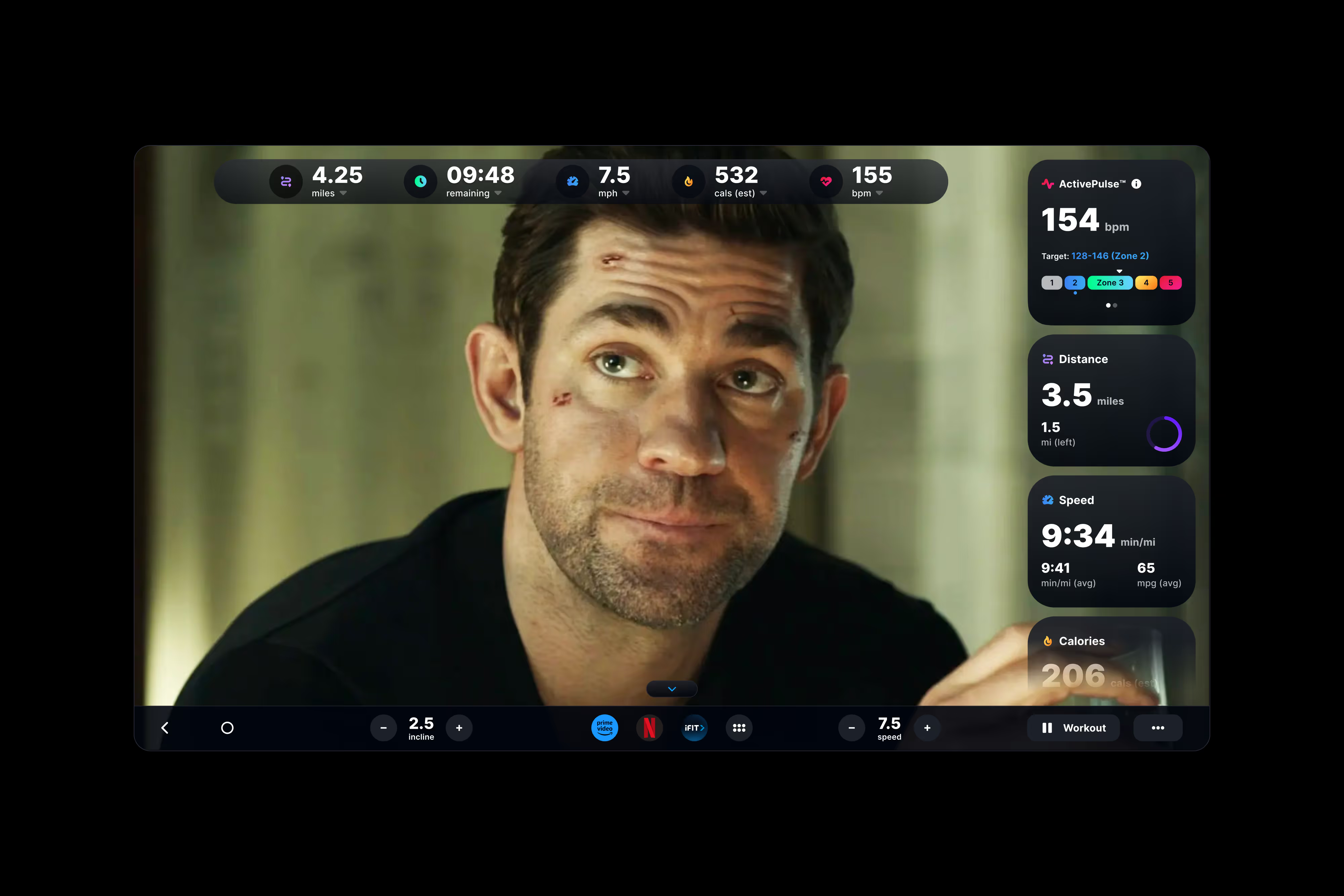
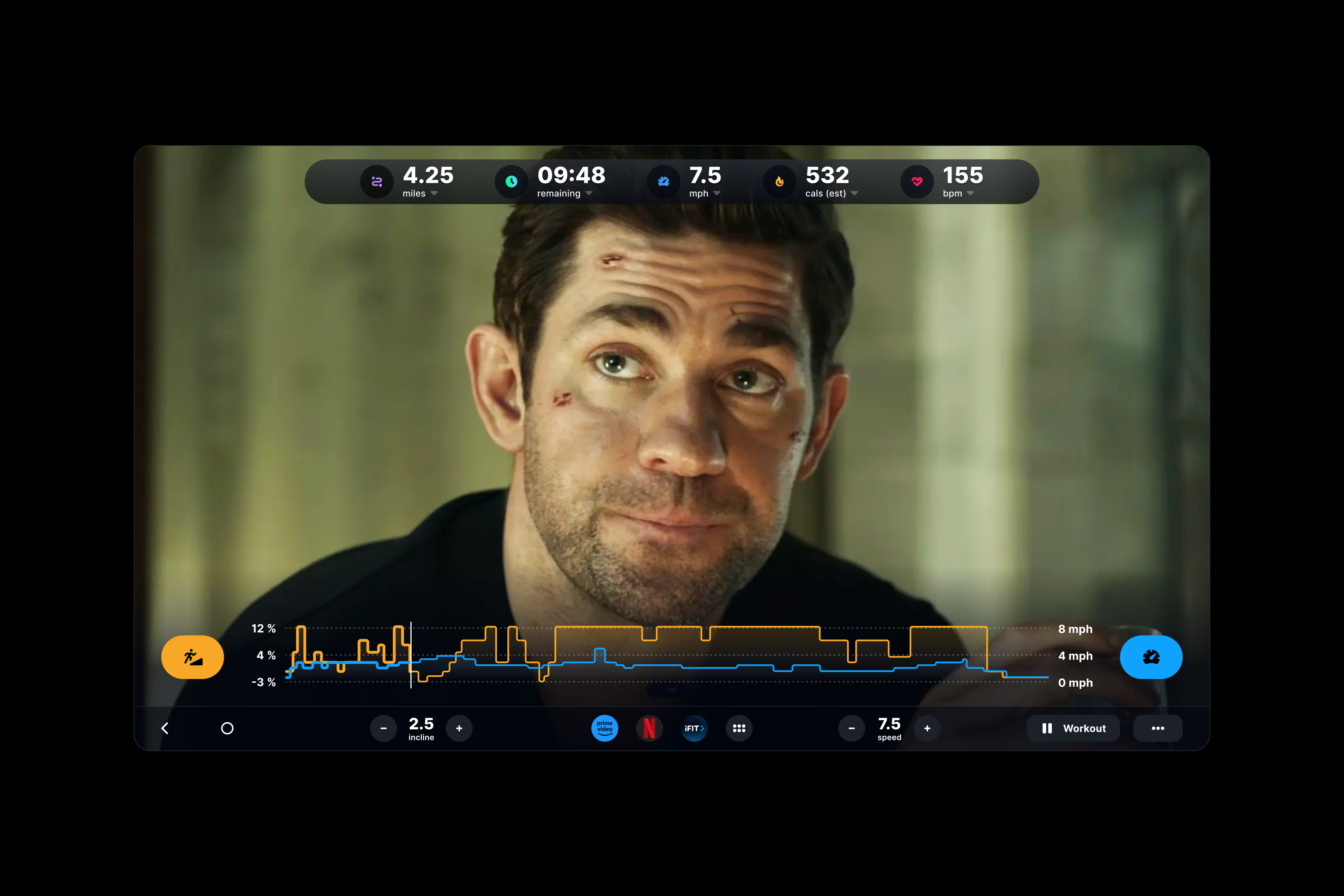
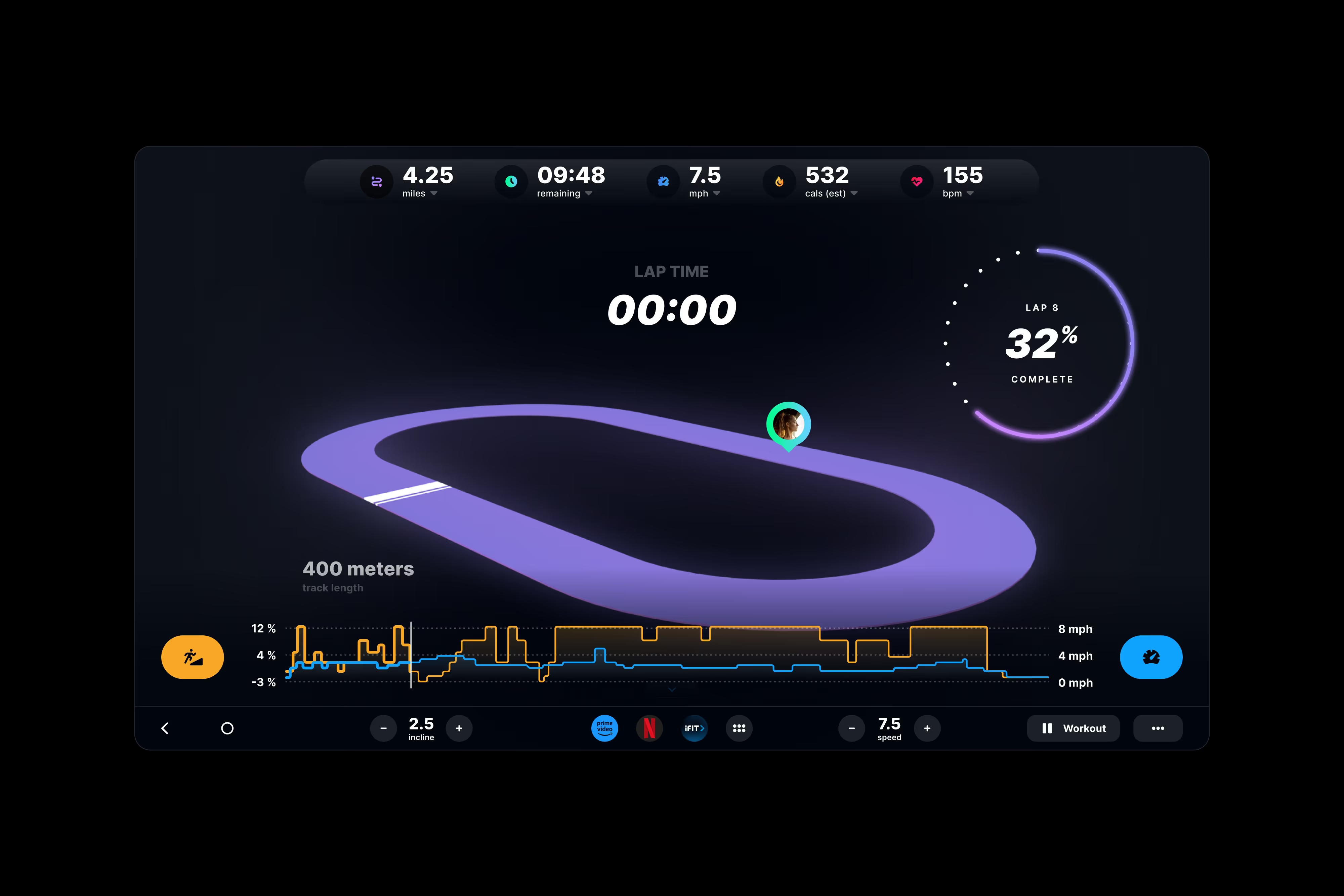
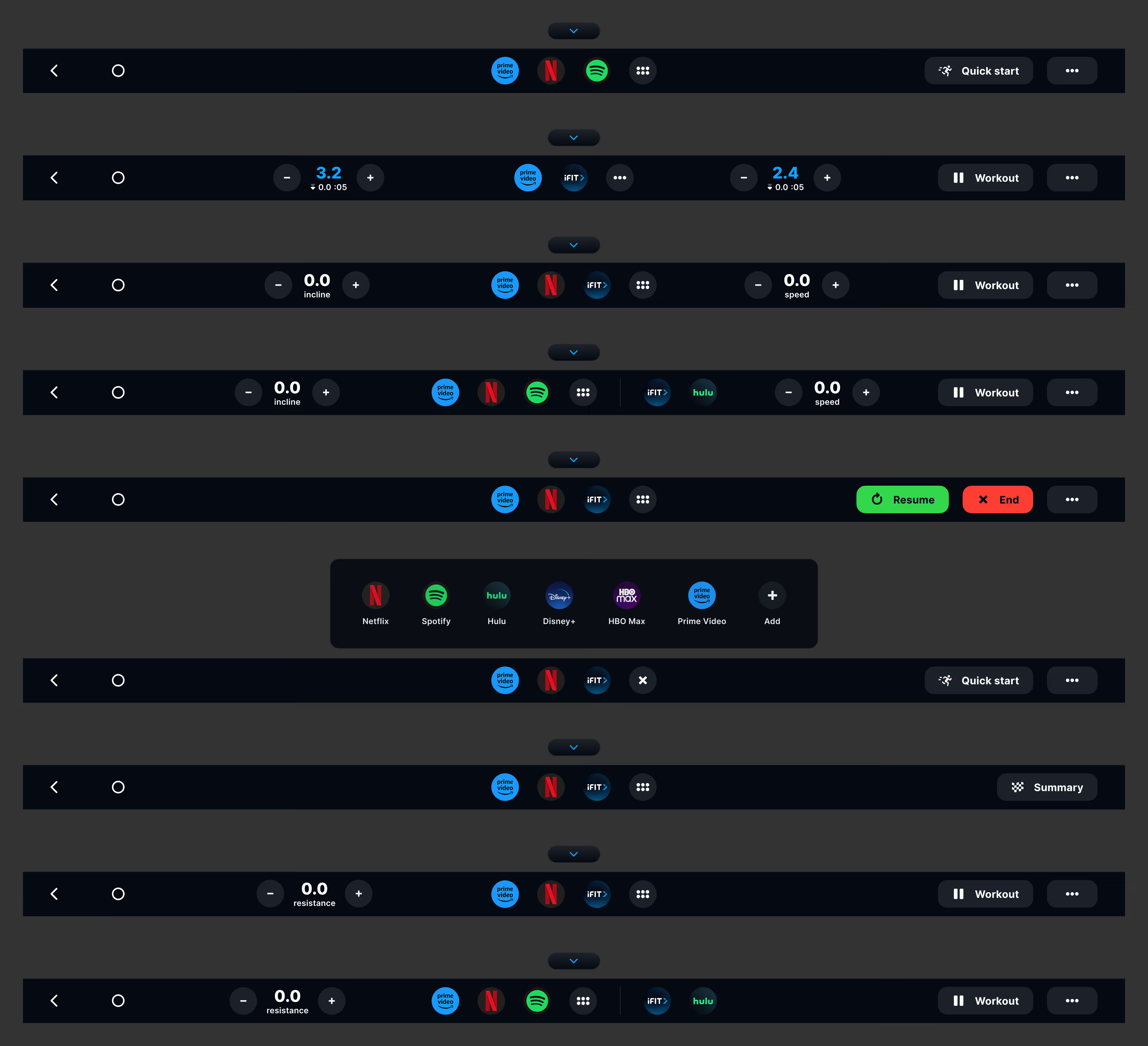
If switching from an iFIT workout to a Spotify playlist felt like leaving the product, we hadn't built a platform — we'd built a home screen, not a platform. The seams had to disappear. Getting in, getting out, and moving between experiences needed to feel considered and continuous, not cobbled together.

That meant designing the navigation layer, transitions, and entry and exit points for every app integration as carefully as we designed our own product. The hardware interaction had to stay consistent. The mental model of where you were and how to get back had to hold regardless of which app you were in.

Fitness is not passive like watching TV. A clunky transition mid-workout doesn't just frustrate — it breaks the experience entirely and hands someone a reason to stop. We couldn't afford a single rough edge.

The design work was less about what you saw inside each app and everything about what happened around them.

View more projects

View more projects

View more projects

View more projects

View more projects

View more projects

View more projects

View more projects

View more projects

View more projects

View more projects

View more projects